

Introduction: Why Bean Thread Noodles Catch Your Attention
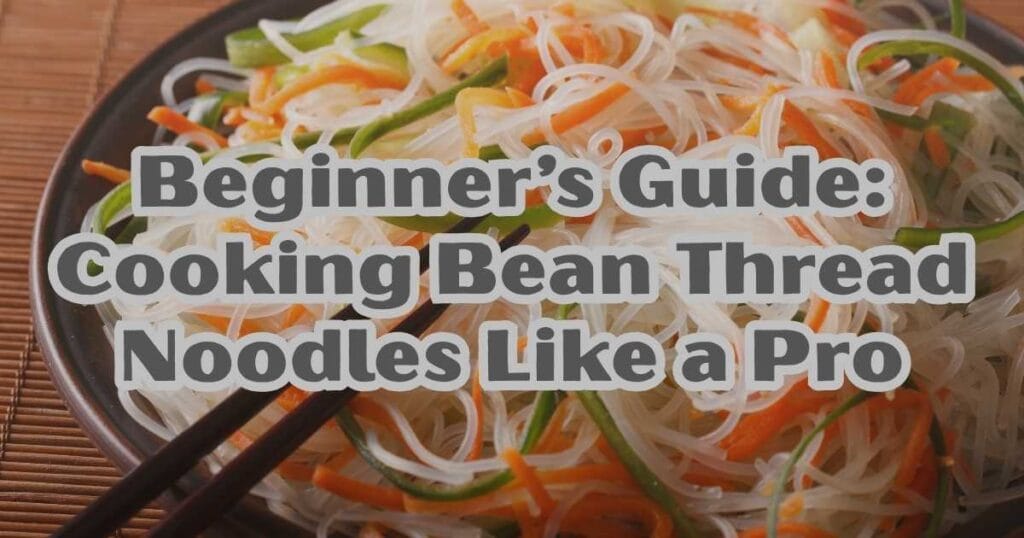
Bean thread noodles, also known as glass noodles or cellophane noodles, are a very useful ingredient in Asian cuisine. Their transparent, shiny form and silky texture make them perfect for soups, stir-fries, salads, and even spring rolls. Many newbies are hesitant to cook them because they can become soft, stick together, or lose their delicate texture if not handled properly.
But mastering bean thread noodles is not as difficult as it seems. With the right preparation and cooking techniques, you can create dishes that will look and taste like a restaurant. These noodles are gluten-free, low-calorie, and absorb flavours very well, making them both healthy and easy-to-use. By understanding how to properly soak them, cook and include them in the recipe, you can improve the way you make your noodles and impress friends and family.
This guide will tell you everything you need to know… From techniques for choosing and soaking the best noodles to recipes for stir-fries, soups and salads. After all, cooking bean thread noodles like a pro, even novices will find it easy.
Understanding Bean Thread Noodles
What are Bean Thread Noodles?
Bean thread noodles are thin, transparent noodles made primarily from moong dal starch, although sometimes potato or sweet potato starch is also used. When they are dry, they look fragile and glassy; once soaked or cooked, these become soft, flexible, and almost transparent, earning them the nickname “glass noodles.”
These noodles are popular in East and South-East Asian cuisines, known for their ability to absorb flavours, while also retaining their delicate, chewy texture. They are commonly used in dishes such as stir-fries, soups, hot pots and salads.
Different Names and Types Around the World
Depending on the region, bean thread noodles are known by several names:
- Glass Noodles (Western Supermarket)
- Cellophane noodles
- Vermicelli (Asia, although it can also refer to rice noodles)
- Fengxi (China)
- Dangmyeon (Korea)
Different types may differ slightly in thickness or amount of starch, but the basic principles of cooking remain the same.
Nutritional and Health Benefits
- Naturally gluten-free and low-calorie
- Low in fat and carbohydrates but provide a good source of energy
- Great base for vegetables, protein, and delicious sauces to make a balanced, nutrient-dense meal
Choosing the Right Bean Thread Noodles
Moong Bean vs. Other Types
- Moong bean noodles are the most common and retain a chewy texture even after cooking.
- Noodles of sweet potato or potato starch may be softer and stickier, making them better for soups or soft stir-fries.
- Choose according to your taste and taste.
Tips for Packaging and Shelf Life
- Usually sold dry in clear plastic packaging or vacuum-sealed bags
- Long shelf life (up to a year if stored properly)
- Keep in a cool, dry place; avoid damp areas as moisture can make them sticky or moldy
How to Choose Good Quality Noodles
- Look for noodles that are uniform in size, not broken, and look clean and transparent
- Avoid highly dusty or discoloured noodles, which can be a sign of poor quality or stale
Preparing Bean Thread Noodles for Cooking
Soak vs Boil
- For most dishes, bean thread noodles are soaked in hot or room temperature water for 10-15 minutes until soft
- Boiling is optional and usually short-lived, as overcooking can soften the noodles
Time for the Perfect Texture
- Cook until soft, but slightly thickened
- They should be easily folded without breaking
- For stir-fries, soak a little less as they continue to cook in the pan
- For soups, soak thoroughly to absorb the broth evenly
Common Mistakes Made by Beginners
- Soaking too long, making the noodles softer
- Boiling for a long time, which eliminates elasticity
- Cooking together in a crowded pot, causing them to stick
How to Cook Bean Thread Noodles
Boiling Method
- Bring water to a boil in a large pot
- Add the noodles and cook for 2-3 minutes
- Remove from water and rinse with cold water
Stir-Fry Method
- Soak the noodles first
- Heat oil or ghee in a pan
- Add the noodles and toss with the sauce and ingredients until hot
Soup and Hot Pot Method
- Soak the noodles or pour directly into the boiling broth
- Cook for 2-3 minutes until softened
- Avoid overcooking, as noodles tend to absorb liquids
Steaming Method
- Place the soaked noodles in a steamer basket
- Cook for 5-7 minutes until softened
- Use for spring rolls or layered noodle dishes
Tips to Keep Noodles from Sticking
- Wash with Cold Water: Stops cooking and removes excess starch
- Add Oil or Sauce: A little sesame or vegetable oil prevents sticking; toss with sauce immediately for stir-fries
- Shaking Technique: Toss gently rather than vigorously; use chopsticks or tweezers for best control
Asian Stir-Fry Incorporating Bean Thread Noodles
- Perfect for stir-fry with vegetables, protein, and sauce
- Slightly chewy texture absorbs flavours very well
- Popular pairings: garlic, ginger, soy sauce, sesame oil, thinly sliced meat or tofu
Salads and Cold Dishes
- Soaked noodles maintain texture in cold salads
- Mix with chopped vegetables, fresh herbs, and sour sauces like til-soya dressing
- Great for picnics, meal prep, or as a refreshing side dish
Soup and Broth
- Common in Korean japchae or Chinese hot pot
- Add soaked noodles at the end of cooking
- Transparent form adds visual appeal and texture contrast
Spring Rolls and Wraps
- Soaked and lightly watered noodles make excellent filling for fresh spring rolls
- Mix with chopped vegetables, herbs, and proteins, then wrap in rice paper
- Neutral flavor allows other ingredients to emerge
Flavor Pairing with Bean Thread Noodles
- Sauces: Soy sauce, tamarind, coconut amino, oyster sauce, hoisin sauce, garlic or chilli
- Vegetables and Herbs: Coriander, Thai basil, green onions, capsicum, carrots, spinach, bean sprouts
- Protein Options: Chicken, beef, pork, shrimp, or tofu; lightly marinate and cook quickly
Storage Tips for Cooked and Uncooked Noodles
Storing Uncooked Noodles
- Store dried noodles in a sealed container or resealable bag in a cool, dry place
- Usually last for 6-12 months when stored properly
Storing Cooked Noodles
- Keep in an airtight container in the fridge for 3-4 days
- Rinse with cold water and lightly oil to prevent sticking for stir-fry or salad
Refrigeration Options
- Can be frozen; texture may change slightly
- Lightly oil, place in freezer-safe bag, store up to 1 month
- Cool in fridge or freezer before reheating
Fixing Common Problems
Noodles Too Soft or Sticky
- Soaked too long or overcooked
- Reduce soaking time and cook briefly
Noodles Too Hard or Chewy
- Not soaked long enough
- Increase soaking time or boil briefly in warm water
Noodles Sticking to Each Other
- Wash with cold water and mix with a little oil
- Cook slowly and avoid overcrowding the pan
Quick Tips for Cooking Bean Thread Noodles Like a Pro
- Right Pot and Water Ratio: Use plenty of water for even cooking and movement
- Time and Attention: Cook quickly to perfect texture; rinse immediately with cold water
- Testing and Assessment: Check texture before serving; soften further in sauce or broth if needed
Creative Recipes to Try
- Spicy Stir-Fried Bean Thread Noodles: Mix soaked noodles with garlic, ginger, chilli, soy sauce, vegetables and protein
- Cold Bean Thread Noodle Salad: Mix noodles with chopped cabbage, carrots, fresh herbs, and sesame-soy dressing; serve chilled
- Bean Thread Noodle Soup Bowl: Add noodles with mushrooms, tofu, green onions, and boiled eggs to broth
- Vegetarian Spring Rolls: Wrap soaked noodles with chopped capsicum, carrots, herbs, and tofu; serve with chilli sauce
Frequently Asked Questions
- Can I cook bean thread noodles directly into the soup without soaking them?
Yes, but they can stick together. Pre-soaking gives a better texture. - How long do soaked noodles last in the fridge?
2 days in an airtight container. Brush lightly with oil to prevent sticking. - Can I freeze bean thread noodles after cooking?
Yes, but they can soften after melting. Use within 1 month for best quality. - Do bean thread noodles need oil while stir-frying?
A small amount prevents sticking and helps coat them in the sauce. - Can I use bean thread noodles in non-Asian dishes?
Absolutely! Neutral flavor and texture make them versatile for salads, pasta-style dishes, and casseroles.
Conclusion: Mastering Bean Thread Noodles
Cooking bean thread noodles like a pro means understanding soaking time, cooking methods, and texture control. With these tips, tricks and recipe ideas, even beginners can confidently make delicious dishes from this versatile noodle. From stir-fries and soups to salads and spring rolls, bean thread noodles are now easily available, can be used in any way, and can enhance the taste of any meal.
If you want, I can also make a clickable Table of Contents version for your blog, so readers can jump straight to sections like “Preparing Bean Thread Noodles” or “Creative Recipes to Try.”