
Whether you’re baking sourdough on weekends or kneading a simple sandwich loaf after work, the right mixing bowl makes a noticeable difference. A good bowl keeps dough stable, supports proper rising, and makes cleanup easier — all things home bakers in the U.S. care about.
After reviewing expert recommendations, long-term user feedback, and real-world baking needs, here are 7 of the best mixing bowls for bread dough, along with clear pros, cons, and who each one is best for.

How to Choose a Mixing Bowl for Bread Dough
1. Material Matters
Each material behaves differently during mixing and proofing:
- Stainless steel: Lightweight, durable, non-reactive
- Glass: Lets you see dough rise; heavier but stable
- Stoneware / ceramic: Retains warmth for fermentation
- Wood: Traditional and warm, but needs maintenance
- Insulated: Helps control dough temperature in cold kitchens
2. Size & Capacity
Bread dough expands fast.
For 500 g–1 kg flour, a 3–6 quart (3–6 L) bowl is ideal.
Always choose a bowl at least 1.5× the final dough volume.
3. Stability
A wide base or non-slip bottom is a big plus when kneading or mixing sticky doughs.
4. Cleaning & Proofing
- Glass & stainless steel: dishwasher safe
- Stoneware: hand wash recommended
- Wooden bowls: must be air-dried and oiled occasionally
Quick Comparison (At a Glance)
| Bowl Type | Best For | Key Strength |
|---|---|---|
| Viking Stainless | All-purpose baking | Lids + stability |
| Pyrex Glass | Watching dough rise | Visibility |
| Le Creuset Stoneware | Slow fermentation | Heat retention |
| Vollrath Stainless | Budget pro use | Durability |
| Yeti Insulated | Cold kitchens | Temp control |
| Wooden Dough Bowl | Artisan baking | Natural warmth |
| OXO / All-Clad | Everyday use | Balance + comfort |
Our Top 7 Mixing Bowls for Bread Dough
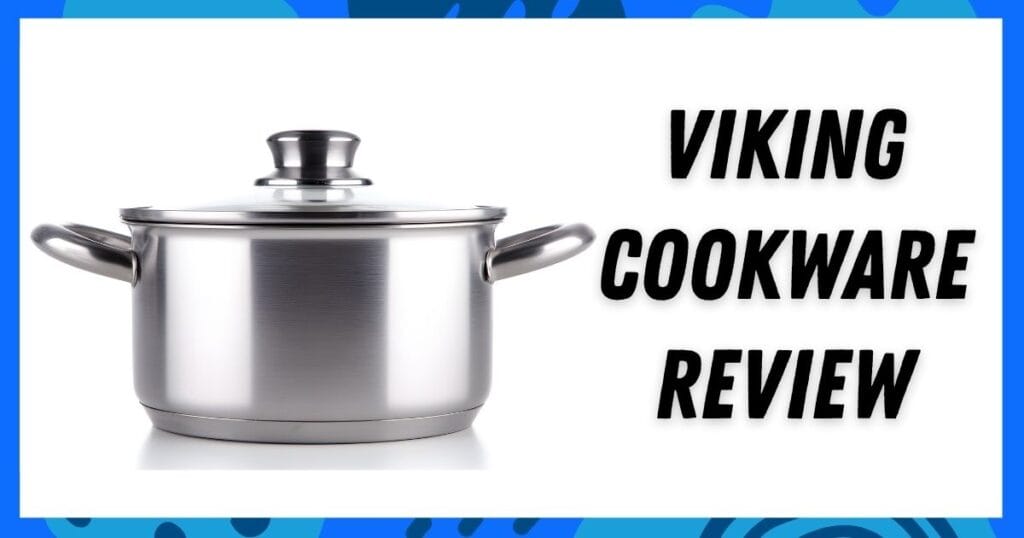
1. Viking Stainless Steel Mixing Bowl Set
Best Overall Choice
These bowls are sturdy, balanced, and come with tight-fitting lids — making them excellent for both mixing and proofing.
Why it works:
The non-slip base keeps the bowl steady, and the stainless steel won’t react with yeast or sourdough.
Best for:
Home bakers who want one reliable set for daily use and storage.
2. Pyrex Glass Mixing Bowls
Best Glass Option
Glass bowls let you visually track dough fermentation, which many bakers love.
Pros:
- Microwave safe
- Heavy enough not to slide
- Easy to clean
Cons:
Can chip if dropped.
Best for:
Bakers who enjoy watching dough rise and want multipurpose bowls.
3. Le Creuset Stoneware Mixing Bowl
Best Ceramic / Stoneware
This bowl holds warmth longer, helping dough ferment evenly — and it looks great on the counter.
Pros:
- Excellent heat retention
- Beautiful glaze
- Very stable
Cons:
Heavy and more expensive.
Best for:
Bakers who care about design and slow fermentation.
4. Vollrath Commercial Stainless Bowl
Best Budget Pro Option
Common in restaurant kitchens, these bowls are tough and affordable for their size.
Pros:
- Extremely durable
- Great for large batches
Cons:
Wide shape isn’t ideal for whisking.
Best for:
Budget-conscious bakers who want professional-grade gear.
5. Yeti Insulated Bowl Set
Best for Temperature Control
Insulated bowls help dough stay warm in colder environments.
Pros:
- Maintains consistent temperature
- Very solid build
Cons:
Premium price.
Best for:
Cold kitchens or winter baking.
6. Wooden Dough Bowl
Best Traditional Proofing Bowl
Wooden bowls naturally retain warmth and protect dough from drafts.
Pros:
- Traditional look
- Supports fermentation
Cons:
Requires oiling and careful drying.
Best for:
Artisan bakers who value tradition and aesthetics.
7. OXO / All-Clad Stainless Steel Bowls
Best for Everyday Home Baking
These bowls strike the best balance of weight, shape, and ease of use.
Pros:
- Ergonomic shape
- Non-slip base
- Easy cleanup
Best for:
Frequent home bakers who want no-nonsense reliability.
Tips to Get the Most Out of Your Mixing Bowl
- Choose a bowl larger than you think you need
- Cover dough tightly to prevent drying
- Warm proofing tip: place the bowl in an off oven with the light on
- Never soak wooden bowls — wipe and air dry
FAQs
Can I use any bowl for bread dough?
Yes, but larger, heavier bowls make mixing and proofing easier.
Is stainless steel safe for sourdough?
Absolutely. Stainless steel is non-reactive and yeast-safe.
What size bowl do I need for 1 kg flour?
A 5–8 quart (5–8 L) bowl works best.
Final Verdict
- Best all-around: Stainless steel bowls with non-slip bases (Viking, OXO, All-Clad)
- Best visibility: Pyrex glass
- Best heat retention: Le Creuset stoneware or wooden bowls
Choosing the right mixing bowl won’t magically fix your bread — but it will make baking smoother, cleaner, and more enjoyable.